Did You Know? Dirty Filters Can Increase Power Bills
Did you know that a simple dirty air filter could be quietly adding hundreds of dollars to your annual electricity bill?
Expert air conditioning advice, buying guides, maintenance tips and energy-saving information for Gold Coast homeowners.

Did you know that a simple dirty air filter could be quietly adding hundreds of dollars to your annual electricity bill?
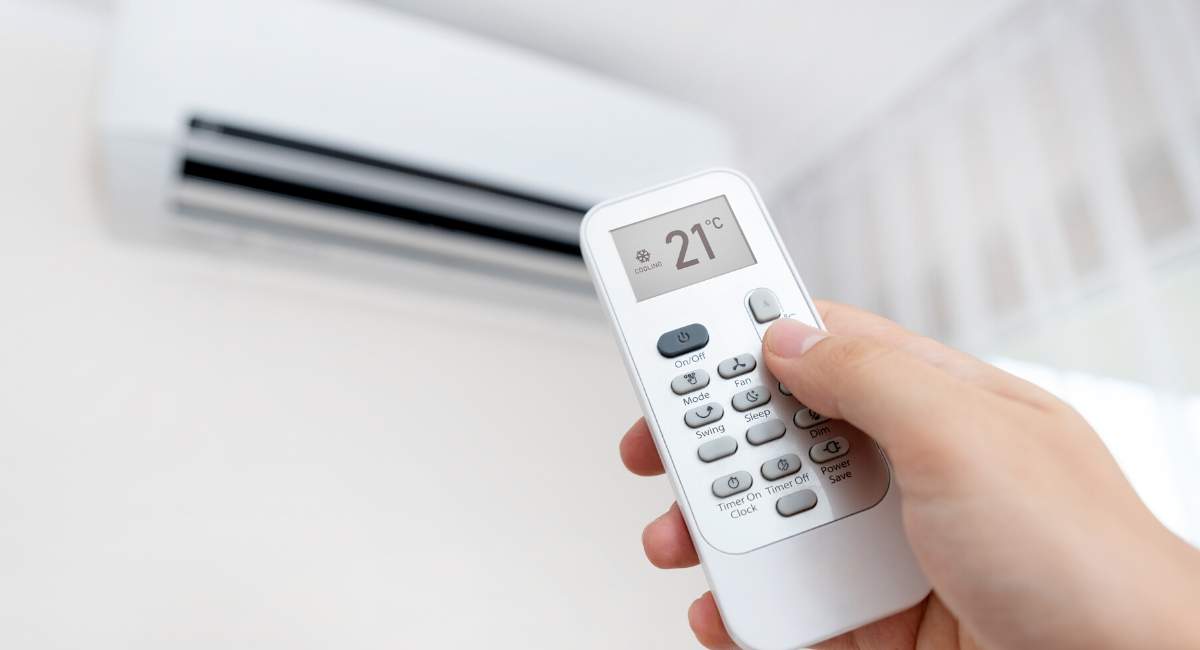
Think turning your air conditioner down to 18°C will cool your home faster? The truth might surprise you.
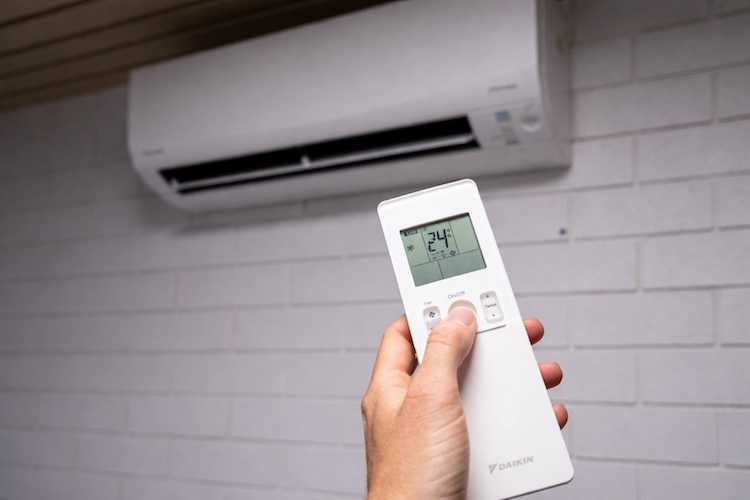
Many homeowners are paying more than they need to for cooling because they're setting their air conditioner lower than necessary.
Your Air Conditioner Could Be Costing More Than It Should One of the most common and overlooked causes of high air conditioning running costs is a dirty air filter. As dust, pet hair, pollen, and other airborne particles build up on the filter, it becomes harder for air to pass through the system. When airflow is restricted, your air conditioner has to work harder and run longer to achieve the same temperature. This increased workload not only raises your electricity consumption but can also put unnecessary strain on important components, potentially leading to expensive repairs down the track. Dirty filters can also impact your comfort. Reduced airflow means rooms may take longer to cool, and the air circulating through your home may contain more dust and allergens. The good news is that checking and cleaning your filters is usually quick and easy. For most households, filters should be cleaned every 1 to 3 months, although homes with pets or high dust levels may require more frequent attention. A clean filter helps your system run efficiently, improves indoor air quality, and may even extend the life of your air conditioner. Luna Tip: Set a reminder on your phone every three months to inspect your filters. It's one of the easiest ways to save money and keep your system performing at its best.
The 18°C Myth That Costs Homeowners Money When you walk into a hot house after a long day, it's tempting to set the air conditioner to 18°C in the hope that it will cool the room faster. However, this is one of the biggest misconceptions about air conditioning. Most air conditioners cool at a fixed rate. Whether you set the temperature to 18°C, 21°C, or 24°C, the system will deliver the same cooling output. The lower setting doesn't make the air conditioner work faster—it simply tells the system to keep running for longer. As a result, setting extremely low temperatures can significantly increase electricity usage without providing any benefit in cooling speed. In some cases, it can also make rooms uncomfortably cold and increase wear on the system. Instead, set your desired comfort temperature and allow the air conditioner to do its job. You'll achieve the same cooling rate while using less energy. Luna Tip: If your home is very hot, start the air conditioner early and close blinds or curtains to reduce heat entering through windows. This often has a greater impact than lowering the thermostat.
The Temperature That Balances Comfort and Efficiency Many homeowners are surprised to learn that the ideal air conditioning temperature isn't as low as they think. For most Queensland homes, a setting between 23°C and 25°C provides the best balance between comfort and energy efficiency. When temperatures outside are high, your air conditioner must work harder to maintain lower indoor temperatures. Every degree you reduce the thermostat can increase energy consumption and running costs. For example, setting your system to 21°C instead of 24°C may seem like a small difference, but over a long summer it can have a noticeable impact on your electricity bill. The combination of a 24°C setting and a ceiling fan often delivers excellent comfort while minimising energy usage. The moving air helps your body feel cooler without requiring the air conditioner to work as hard. By choosing a sensible temperature setting, you can stay comfortable throughout summer while keeping power costs under control. Luna Tip: Try increasing your thermostat by just 1°C this week. Most people won't notice the difference in comfort, but they may notice the savings on their next electricity bill.
Talk with the Gold Coast air conditioning specialists.
Get A Fast Quote